
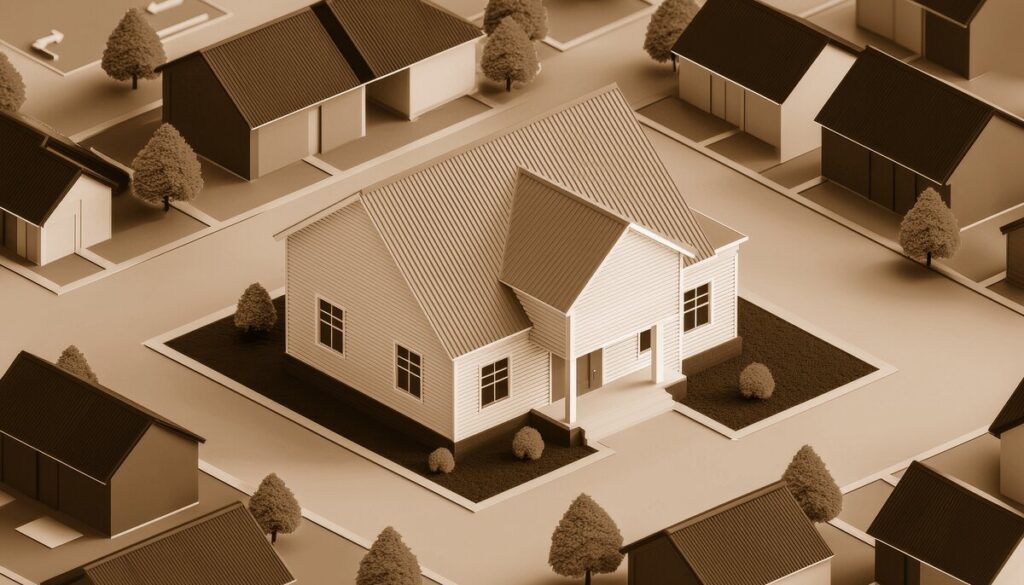
A Neighborhood with Deep Roots
Drive west from downtown Dayton, and you’ll soon find yourself in the heart of MacFarlane—a neighborhood where the echoes of history mingle with the vibrant rhythms of daily life. Nestled near the intersections of West Third Street, North Broadway, and West Grand Avenue, MacFarlane is a distinctive patchwork of residential quietude, storied landmarks, and enduring institutions that have shaped the fabric of Dayton over the decades.
The Origins: How MacFarlane Got Its Name
The story of MacFarlane begins at the turn of the twentieth century, as Dayton expanded its footprint beyond its original downtown boundaries. The area was named after Robert MacFarlane, an industrialist and philanthropist who left his mark on Dayton’s burgeoning West Side. His ventures in manufacturing helped attract working-class families and fueled residential development in the early 1900s. The MacFarlane name became associated with a spirit of industriousness and community support—qualities that remain foundational today.
Key Historical Milestones
Early Growth and Urban Expansion
In the years following World War I, MacFarlane blossomed alongside much of western Dayton. The influx of factory jobs—especially in the automotive and manufacturing sectors—drew workers, many of whom settled on leafy streets like Bella Avenue, Hawthorn Street, and MacFarlane Avenue. By the 1920s, tidy bungalows and two-story homes stood as the backdrop to a bustling, tight-knit community.
Economic Highs and Civic Pride
The neighborhood’s proximity to downtown and West Third Street, a significant corridor for commerce and transit, brought economic opportunities and robust civic activity. Churches, family-owned shops, and local taverns flourished. The now-iconic MacFarlane Elementary School opened in the 1920s, quickly becoming a neighborhood hub and a source of pride for generations of residents.
Challenges and Resilience
Like many urban districts, MacFarlane faced challenges in the post-war decades. Urban renewal efforts in the 1950s and ‘60s meant both modernization and displacement. Several blocks were re-zoned or redeveloped, leading to a reshaping of the neighborhood’s physical landscape. Yet through economic cycles and demographic shifts, MacFarlane adapted. Longtime neighbors organized block parties and cleanup events, while new families continued to make the community their own.
Notable Landmarks and Institutions
MacFarlane Park: A Green Oasis
At the center of local life sits MacFarlane Park, a cherished greenspace bounded by West Grand Avenue and North Broadway. Since its establishment, the park has served as a site for neighborhood picnics, Little League games, and Fourth of July celebrations. Playground equipment, open lawns, and shady trees offer a welcome respite for children and adults alike.
Historic Places of Worship
Faith has long shaped the area’s sense of togetherness. The stately St. Margaret’s Episcopal Church on West Third Street, with its red-brick façade, has welcomed worshippers for generations, while nearby smaller congregations reflect the neighborhood’s diverse cultural heritage.
Enduring Institutions
The former MacFarlane Elementary School, though no longer in operation, stands as a symbol of the neighborhood’s commitment to education and youth. Stories from alumni grace community gatherings, and the school’s legacy endures in the MacFarlane spirit—one of support, resilience, and hope for the future.
Evolution Over the Decades
From Manufacturing to Modernity
The closing of several major factories in the latter twentieth century brought changes, but also a renewed sense of purpose. MacFarlane’s residents have turned to grassroots revitalization, supporting local businesses and engaging in neighborhood associations determined to foster safety and connection.
Housing and Preservation
Today, you’ll find a charming mix of early-twentieth-century homes and newer residences. Efforts to preserve the original architecture, especially on streets like Clover Street and Brooklyn Avenue, help maintain the area’s historic character. Community pride is reflected in well-tended flower beds, welcoming front porches, and the occasional mural that tells stories of MacFarlane’s past and its dreams for the future.
Community Life and Renewed Spirit
What truly sets MacFarlane apart is the unbreakable neighborhood spirit. Annual block parties, service projects in MacFarlane Park, and family gatherings on holidays are the quiet traditions that strengthen these bonds. Community organizations partner with local schools and youth programs to offer opportunities for the next generation, ensuring that MacFarlane’s story continues to unfold.
A Place Like No Other
As a longtime resident, I can say with certainty that there’s something profoundly special about MacFarlane. It’s more than its streets, homes, or landmarks; it’s the collective memory, the laughter echoing in the park, the porch greetings at dusk, and the shared resolve to build a brighter future.
Each chapter of MacFarlane’s history adds a thread to its vibrant tapestry. Whether you’re a history buff tracing the influences of Robert MacFarlane, a newcomer seeking community, or a visitor drawn to the area’s parks and historic avenues, you’ll find a warm welcome here.
MacFarlane may have grown from the dreams of city builders and factory workers, but it endures because of the caring hearts of its people—a living legacy that resonates in every street and every story.